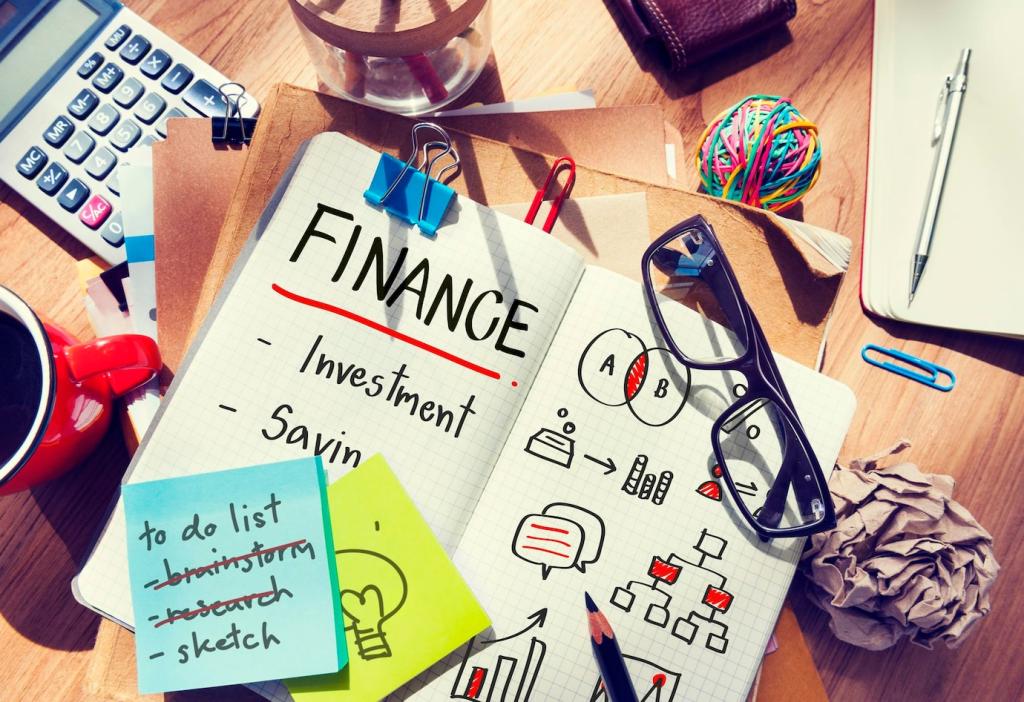



The Role of Allowance in Teaching Financial Responsibility

Chosen theme: The Role of Allowance in Teaching Financial Responsibility. Explore how a simple, consistent allowance can build budgeting habits, generosity, patience, and confident decision-making—starting at your kitchen table. Join the conversation, share your family’s approach, and subscribe for weekly prompts to make money lessons feel natural and fun.

Intrinsic Motivation, Not Entitlement

Used well, allowance encourages kids to plan, prioritize, and own their decisions, rather than demanding more. Framing it as a tool for learning—paired with family responsibilities—reduces entitlement and strengthens intrinsic motivation to help, contribute, and think ahead.

Ages and Stages

Young children benefit from visual jars and quick wins, while preteens learn to plan for bigger goals and delayed gratification. Teenagers can graduate to budgets, digital tools, and accountability talks. Calibrate amounts and rules to maturity, not just age.

Real-World Parallels

Weekly or biweekly payouts mirror paychecks, while saving for goals mimics emergency funds and sinking funds. Discussions about wants versus needs, and giving, echo adult budgeting categories and values. Kids learn habits now that compound into adult confidence later.

This is the heading

Lorem ipsum dolor sit amet, consectetur adipiscing elit. Ut elit tellus, luctus nec ullamcorper mattis, pulvinar dapibus leo.


This is the heading

Lorem ipsum dolor sit amet, consectetur adipiscing elit. Ut elit tellus, luctus nec ullamcorper mattis, pulvinar dapibus leo.

The Three-Jar Method: Spend, Save, Give

Let kids make small, safe spending decisions, even imperfect ones. The short feedback loop teaches trade-offs better than lectures. Ask reflective questions afterward, and invite them to share their best buy of the week in the comments.

The Three-Jar Method: Spend, Save, Give

Post a photo of the goal near the jar and track progress with a simple bar. Celebrate milestones. Waiting transforms from frustration into pride. Encourage kids to write a mini-plan; subscribe to download our goal trackers.

Budgeting Rituals and Money Meetings

Five minutes is enough. Sort allowance into jars or categories, glance at upcoming events, and pick one priority. Keep it warm, not transactional. Ask one question: What choice this week will future-you appreciate?

Digital Allowance: Cards, Apps, and Automation

Choose youth-friendly banking apps with spending categories, savings goals, and parental oversight. Transparency builds trust. Let kids check balances before purchases to connect taps with consequences and learn responsible independence.

Digital Allowance: Cards, Apps, and Automation

Set limits, merchant controls, and alerts. When a card declines, treat it as a teachable moment, not a crisis. Discuss what changed the plan and how to adjust next time. Invite readers to share favorite settings.

Stories From Real Families

Nine-year-old Maya saved for eight weeks, tracking each deposit on a bright bar chart. The day she bought the board, she rode laps in the driveway, repeating, “I did this.” Her pride outlasted the wheels’ first scuffs.

Stories From Real Families

Twins priced cups too low and ran out of supplies. Their next stand included bulk lemons, a cost sheet, and a sign that told a story. Profit grew, but so did their curiosity about margins and planning.

Stories From Real Families

A family matched give-jar donations during a grandparent visit, then wrote thank-you notes together. The kids presented receipts and photos from the charity. Everyone cried happy tears, and allowance felt like a bridge across generations.

Troubleshooting Common Challenges

Use age-based tiers and transparent rules. Emphasize personal goals, not rivalry. Rotate small privileges to keep peace. Invite children to suggest fair solutions during family meetings and commit to testing one change for two weeks.

Troubleshooting Common Challenges

Automate transfers or set calendar reminders. If you miss a week, own it and reset. Reliability models integrity, which teaches more than the money itself. Share your best consistency tip with the community.

Micro-Jobs and Value Creation

Brainstorm kid-led services: plant watering, pet sitting, or digital art commissions. Start small, document outcomes, and discuss what delighted the customer. Invite readers to comment with first-business ideas that felt fun and meaningful.

Tracking Costs, Profit, and Reinvestment

Model simple ledgers: revenue, costs, profit, and next steps. Let kids choose a percentage to reinvest. Seeing profit grow builds discipline and curiosity, turning allowance skills into entrepreneurial confidence.

Purposeful Generosity Beyond Money

Encourage giving time, skills, or handmade items alongside funds. Reflect on impact after each gift. When kids connect effort with outcomes, generosity becomes a habit, not a holiday event. Subscribe for monthly family service ideas.
Creamcloth
Privacy Overview

This website uses cookies so that we can provide you with the best user experience possible. Cookie information is stored in your browser and performs functions such as recognising you when you return to our website and helping our team to understand which sections of the website you find most interesting and useful.